Chronic Kidney Disease (CKD) in Cats: A Complete Care Guide for Owners
Everything you need to know about managing CKD in cats: IRIS staging, dietary management, hydration strategies, medications, and home care tips for cat owners.
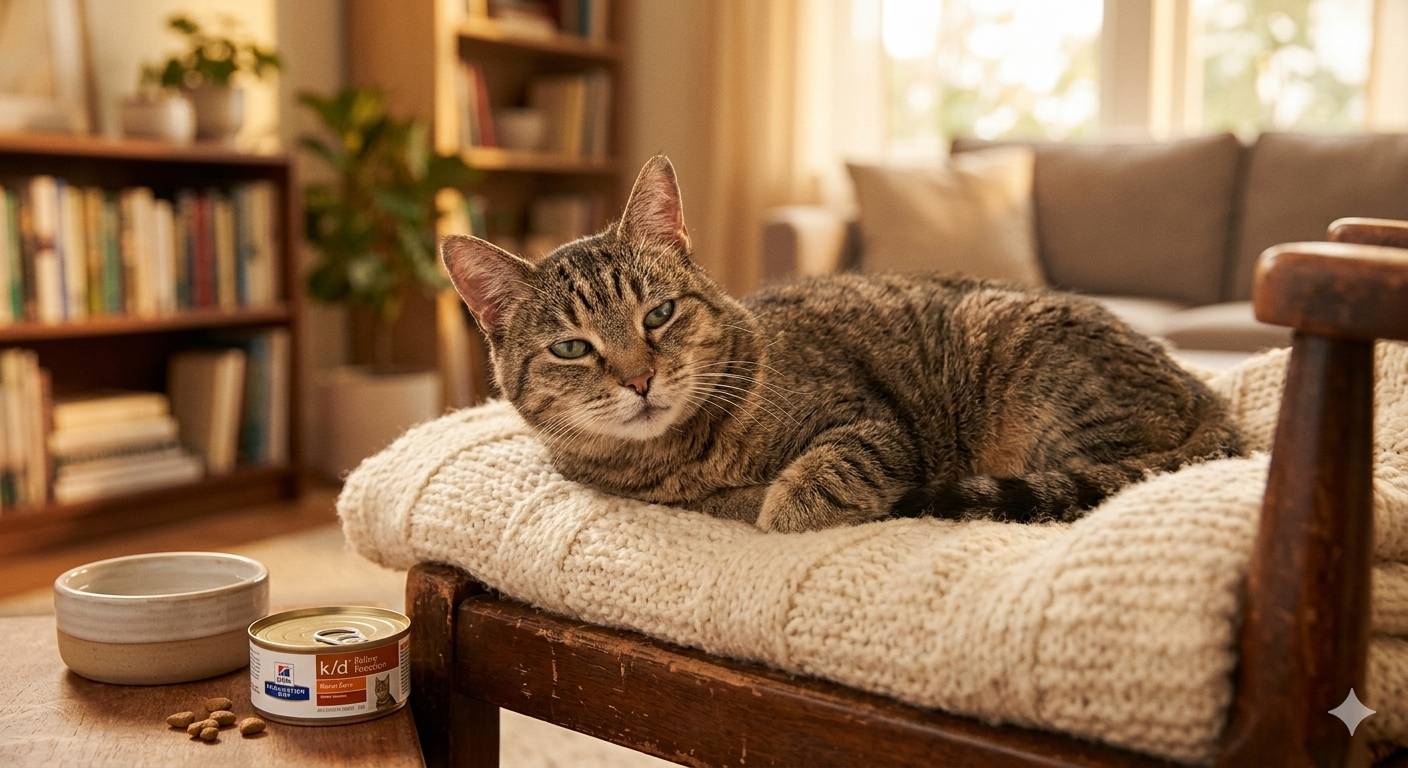
Introduction: Facing the Diagnosis
Hearing that your cat has Chronic Kidney Disease (CKD)—also known as Chronic Renal Failure—can be overwhelming. It is one of the most common diagnoses in older cats, affecting approximately 30-40% of cats over the age of 10.
While CKD is a progressive condition with no cure, it is highly manageable. With the right diet, medication, and home care, many cats diagnosed with kidney disease can live happy, high-quality lives for months or even years after diagnosis.
This guide will walk you through every stage of the journey, from understanding blood work to administering home treatments.
1. Acute vs. Chronic Kidney Disease
Before diving into care, it is vital to distinguish between the two main types of kidney issues.
- Chronic Kidney Disease (CKD): A gradual, progressive loss of kidney function over months or years. It is most common in senior cats. The damage is usually irreversible, but progression can be slowed.
- Acute Kidney Injury (AKI): A sudden onset of kidney failure, often caused by toxins (like lilies or antifreeze), dehydration, or blockages. AKI requires immediate hospitalization and can sometimes be reversed if treated aggressively.
This article focuses on managing Chronic Kidney Disease (CKD).
2. Understanding IRIS Staging
Your veterinarian may mention "IRIS Staging." The International Renal Interest Society (IRIS) has created a standardized system to classify the severity of CKD based on blood creatinine levels and urine protein loss.
- Stage 1 (Early): Creatinine levels are normal or slightly elevated. Often no clinical signs. This is the best time to start supportive care.
- Stage 2 (Mild): Kidney function is reduced; you may notice increased thirst (polydipsia) and urination (polyuria).
- Stage 3 (Moderate): Toxins build up in the blood (azotemia). Cats may feel nauseous or lose appetite.
- Stage 4 (Severe): Significant kidney failure. Aggressive supportive care is needed for quality of life.
Knowing your cat's stage helps you tailor the intensity of home care.
3. Key Symptoms to Watch
Cats are masters at hiding illness. By the time symptoms appear, significant kidney function may already be lost.
The "Big Three" Early Signs:
- Increased Thirst & Urination: The kidneys lose the ability to concentrate urine, causing your cat to drink more water and fill the litter box faster.
- Weight Loss: Muscle wasting is a common sign, often happening slowly.
- Poor Coat Condition: Fur may become dull, dry, or greasy.
Advanced Symptoms (Stage 3-4):
- Nausea & Vomiting: Due to toxin buildup in the blood.
- Lethargy: Low energy levels.
- Mouth Ulcers: Uremic ulcers on gums or tongue caused by waste products.
- Bad Breath: A distinct ammonia-like smell.
4. Dietary Management: The Cornerstone of Treatment
Diet is the single most effective way to slow CKD progression. Prescription kidney diets are formulated with specific modifications that differ drastically from regular cat food.
Why Special Food Matters
- Restricted Phosphorus: High phosphorus accelerates kidney damage. Limiting phosphorus is critical.
- Moderate Protein: Kidney diets reduce protein quantity but use high-quality protein to minimize waste products while maintaining muscle.
- Increased Potassium: CKD cats often lose potassium, leading to weakness.
- Omega-3 Fatty Acids: Help reduce inflammation in the kidneys.
Choosing the Right Food
Transitioning to a new diet should be done gradually, especially if your cat is feeling nauseous.
Tip: If your cat refuses prescription food, talk to your vet about phosphorus binders or homemade diet recipes formulated by a veterinary nutritionist.
5. Hydration Strategies: Water is Medicine
Since CKD cats cannot conserve water, they are constantly on the edge of dehydration.
Increasing Fluid Intake
- Wet Food is Essential: Switch to a wet diet if possible. Dry food is only about 10% water, while wet food is over 75%.
- Water Fountains: Many cats prefer moving water.
- Flavoring Water: Add a splash of tuna juice or low-sodium chicken broth to water bowls.
Subcutaneous (Sub-Q) Fluids
In later stages (IRIS 3 & 4), your vet may teach you to administer fluids under the skin at home.
While it sounds intimidating, most owners learn quickly, and it can dramatically improve a cat's quality of life by flushing toxins and rehydrating them.
6. Medications and Supplements
As CKD progresses, secondary issues often arise that require medication.
- Phosphorus Binders: Given with food to block phosphorus absorption if diet alone isn't enough.
- Antiemetics: Medications like Cerenia (Maropitant) or Ondansetron to control nausea and vomiting.
- Appetite Stimulants: Mirtazapine (Mirataz) can help cats who refuse to eat.
- Potassium Supplements: To correct hypokalemia (low potassium).
- Probiotics (Renal Support): Certain strains (like Enterococcus faecalis) can help break down nitrogenous waste in the gut.
Note: Never give human medications to cats. Always consult your vet.
7. Home Care Checklist
Caring for a CKD cat requires routine monitoring.
- �?Weigh Weekly: Sudden weight loss signals a problem.
- �?Monitor Appetite: Track how much they eat daily.
- �?Hydration Check: Gently lift the skin on their shoulders; it should snap back quickly. If it "tents," they are dehydrated.
- �?Litter Box Habits: Note changes in urine volume or frequency.
- �?Regular Vet Visits: Blood work every 3-6 months to adjust treatment.
8. Frequently Asked Questions (FAQ)
Q: How long can a cat live with CKD?
It varies widely. A cat diagnosed in Stage 2 may live several years with good management. Cats diagnosed in Stage 4 may have months. Early detection is key.
Q: Is dry food bad for cats with kidney disease?
Dry food is not inherently "bad," but its low moisture content is a disadvantage for CKD cats. We strongly recommend a wet-food-based diet to support hydration.
Q: Can kidney disease be reversed in cats?
No. Chronic Kidney Disease involves permanent scarring of the kidneys. The goal of treatment is to slow the progression and manage symptoms, not cure the disease.
Q: Are treats okay for CKD cats?
Only give treats that are low in phosphorus and protein. Many prescription brands make specific renal treats. Avoid generic treats, as they can disrupt the dietary balance.
Conclusion: You Are Not Alone
Managing Chronic Kidney Disease is a commitment, but it is one born of love. By focusing on hydration, appropriate nutrition, and close monitoring, you can provide your feline friend with comfort and happiness.
Next Steps:
- Book a consultation with your vet to establish a baseline.
- Transition to a prescription renal diet.
- Join a community for support.
PuraCatCare Team
PuraCatCare Team 的个人简介